Taxi Company Lead Generation
Taxi Company Lead Generation: 6 Ways to Get Riders
Taxi company lead generation means getting your phone to ring more often. Riders come from a mix of channels today. Some search Google at midnight for an airport ride. Some scroll Facebook and see your ad between two friends’ posts. Others just remember your name from a car they saw downtown. Most taxi companies pick one channel and stop there. That leaves riders on the table every single week. Six channels bring in leads on a steady basis, not just one. This guide covers all six: SEO, Google Ads, Facebook Ads, social media, your website, and PPC ads. Use them together and bookings stop feeling random.
1. Search Engine Optimization (SEO)
SEO earns you riders who are already looking for a ride. Someone types “taxi near me” or “airport taxi Denver” and means it. That search has real intent behind it. No guessing about whether they need a car. A Google Business Profile that’s set up right, a handful of reviews, and a page for each service area do most of the work. This is lead generation for taxi company owners who want traffic that doesn’t disappear the day the ad budget runs out.
SEO takes longer than a Facebook ad to show results. Three months is a fair estimate before rankings move. But once your listings climb, they tend to stay there without new spending every week. That’s the trade worth making.
Local SEO actions that move the needle:
- Claim and fully complete your Google Business Profile
- Build a landing page for each city or airport you serve
- Collect reviews after every fifth ride or so
- Publish short blog posts answering common rider questions
- Get listed in local directories like TripAdvisor and Yelp
Consistent SEO work compounds. Six months in, it’s often your cheapest source of new riders.
Local SEO & Google Business Profile
Claim your Google Business Profile first. Pick the right category, such as Taxi Service or Airport Shuttle, so Google shows you for the right searches. Add real photos of your cars and drivers, not stock images. Fresh photos and recent reviews push your listing higher in the map pack. That map pack is where most near-me searches land first.
On-Page Content & City Pages
A single homepage rarely ranks for every town you serve. Build a dedicated page for each service area or airport route instead. Mention the neighborhood by name and list the fare range up front. Generic, one-page websites lose out here almost every time.
2. Google Ads
Taxi company lead generation moves fast with Google Ads. SEO takes months to build. Google Ads can put you at the top of a search within a day. Someone searches “book a taxi downtown” and your ad shows above the organic results instantly. Bid on transactional phrases, add a call button, and set your geo-targeting tight to your actual service radius. Budget control matters here too, since costs can climb fast without daily limits in place.
The catch is simple. Leads stop the moment the spend stops. Google Ads works best paired with SEO, not instead of it.
Setup essentials for a taxi Google Ads campaign:
- Use exact and phrase match on high-intent keywords
- Add negative keywords to filter out job seekers and rideshare drivers
- Run call-only campaigns for mobile searches
- Set geo-targeting to your real service area
- Track conversions, not just clicks
Choosing the Right Keywords
Bid on phrases people type right before they book, like “book a taxi” or “Denver airport taxi.” Broad terms like “transportation” waste the budget on people who aren’t ready to ride. Specific, transactional keywords convert at a much higher rate.
3. Facebook Ads
Facebook Ads work well for taxi company leads because trust matters in this business. People want to see the car and the driver before they call. A short video of your fleet does more here than a stock photo ever will. Geo-radius targeting keeps your ads in front of people who actually live or work near your service area. Lookalike audiences built from past riders bring in new people who look a lot like your best customers.
Retargeting closes the loop. Someone visits your booking page, gets distracted, and leaves without finishing. A retargeting ad reminds them an hour later.
Ad formats that tend to perform for taxi businesses:
- Short video clips of the fleet and drivers
- Promo or discount ads for first-time riders
- Lead-gen forms that skip the website entirely
- Retargeting ads aimed at recent site visitors
Facebook Ads often cost less per lead than Google Ads. The trade-off is creative effort. A flat, generic ad gets scrolled past in under a second.
4. Social Media Marketing
Taxi company lead generation isn’t only about paid ads. Organic social media builds the trust that makes paid ads convert better later. Instagram and Facebook work well for local riders. LinkedIn does the heavy lifting for corporate accounts booking regular transfers. Consistent posts of your fleet, your drivers, and real customer moments keep your name visible between rides.
Responding to comments and reviews matters just as much as posting. A quick reply to a bad review, handled well, often does more for trust than ten good ones.
Content types that get engagement:
- Behind-the-scenes clips of drivers and vehicles
- Customer shoutouts and quick testimonials
- Promo codes shared for shares or tags
- Posts tied to local events, like airport rush or a downtown festival
This channel builds brand recall. Riders who already know your name click your paid ads at a lower cost.
5. Website Design & Development
A slow, cluttered website loses riders no matter how much traffic the other five channels send it. Most riders book from a phone while standing on a curb. If the booking form takes ten seconds to load, they call the next name on the list instead. Mobile-first design isn’t optional anymore. Clear fare ranges and service details above the fold help too, since nobody wants to hunt for basic information.
This is lead generation for taxi company owners in its simplest form: get people to the booking button fast.
Must-have elements on a taxi company website:
- A one-page booking form, no logins required
- A click-to-call button visible on every page
- Dedicated pages for each service area
- Real customer testimonials near the booking form
- Fast load speed on mobile connections
Every channel on this list eventually sends traffic to your website. It’s the one place that has to convert.
Mobile Booking Experience
Keep the booking form to three fields at most: pickup, drop-off, and phone number. Every extra field costs you riders who give up halfway through. A thumb-friendly button beats a dropdown menu almost every time on mobile.
6. PPC Ads
PPC ads cover the paid ground Google and Facebook don’t. Microsoft’s Bing Ads reach a smaller audience, but competition is lower and clicks often cost less. Display retargeting banners follow site visitors around the web after they leave without booking. Sponsored placements on local directories put your name in front of people already comparing options. All of these add up to steady taxi company leads without relying on one single platform.
Track cost-per-lead separately across each channel. That’s the only way to know where the next ad dollar should actually go.
Paid channels worth testing beyond Google and Facebook:
- Microsoft Bing Ads for lower-competition clicks
- Display retargeting banners across partner sites
- Sponsored listings on local directories
- YouTube pre-roll ads for local brand awareness
Let Codestro Build Your Taxi Company Lead Generation
Most taxi companies lean on paid ads, directory listings, or word-of-mouth referrals to fill their booking calendar. All three work, until the spending stops or the referrals slow down. The moment the budget pauses, so does the phone. That’s not a system. That’s a habit that needs constant feeding.
Codestro builds the organic version instead, the kind that keeps working after the ad spend ends. Our team handles the parts most taxi companies never get around to: SEO buildout for every service area, Google Ads management that doesn’t waste budget on the wrong searches, Facebook Ads with creative that actually gets watched, social content that builds real trust, website design that converts on mobile, and PPC management across the channels that fit your market. Here’s what we take off your plate:
- Local SEO and city-page buildout for your full service area
- Google Ads campaigns built around transactional search intent
- Facebook and Instagram ad management with fresh creative
- Ongoing social media content and community management
- Mobile-first website design built to convert bookings
- PPC management across Bing, display, and local directories
Ready for a booking calendar that doesn’t rely on one channel?
Book a free strategy call with Codestro →
Or reach us at info@codestro.com
Key Takeaways
No single channel replaces the other five. SEO and social media build the long-term brand equity that makes every paid dollar work harder. Google Ads, Facebook Ads, and PPC deliver speed when you need bookings now. Your website is where all six channels actually convert, so it has to work on the first tap. Put these together and taxi company lead generation stops depending on luck.
- SEO brings in riders already searching for a ride
- Google Ads delivers fast results at a cost
- Facebook Ads build trust through visual, local targeting
- Social media keeps your name visible between bookings
- A fast, mobile-first website converts what the other channels send
- PPC ads fill in the gaps Google and Facebook don’t reach

Locksmith SEO: 7 Strategies to Get More Calls
Seven specific moves, done in order, account for almost every gain a locksmith business can make in search. Sound like a lot to track? It’s just seven steps, tackled one at a time.

Locksmith Ads: 8 Strategies to Get More Calls Fast
This guide breaks down eight locksmith advertising strategies, all online, ranked loosely by how fast each one tends to put a call on the board. Some get the phone ringing today. Others build the kind of recognition that pays off next month. Both matter, and knowing which is which changes how you spend.
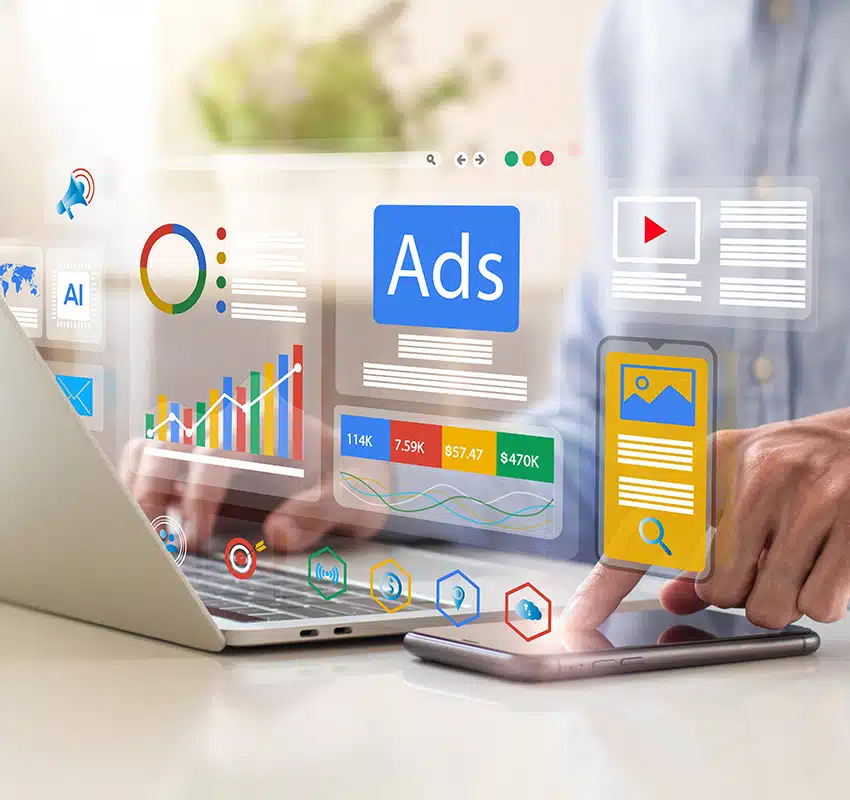
Google Ads for Locksmiths: 8 Strategies That Work
locksmith Google Ads searches are almost always urgency-driven- someone locked out of a car or a house right now, which changes how the whole account should be built. Here are 8 Google Ads Strategies That Works.

Locksmith PPC: Reduce Ad Costs and Get More Calls
This guide explains what that management actually means, how it can make costs creep up, and when it’s time to call in professional assistance.

Locksmith Website Design: 7 Features to Get More Calls
This article breaks down seven of them, each one aimed at turning a browsing visitor into a paying customer.

Local SEO for Locksmiths: 10 Strategies to Dominate Google
Let’s take a look at 10 ways to propel a locksmith company into that number one position, in order of most likely to get results quickly.

Locksmith Social Media: 10 Strategies That Work
This guide breaks down ten specific moves that work for locksmiths right now. Not generic marketing theory borrowed from retail brands.
Frequently Asked Questions
Costs vary widely by channel and city. SEO and social media cost time more than cash upfront. Paid channels like Google Ads and PPC scale with your budget and local competition.
Google Ads and PPC ads deliver the fastest results, often within days. SEO takes longer to build but tends to produce cheaper taxi company leads once it ranks.
Yes. Local SEO and trust-building content give small operators an edge, rideshare apps rarely match, especially for airport runs and regular local riders.
Most taxi businesses see meaningful movement in three to six months. Consistent reviews, city pages, and blog content speed up that timeline.